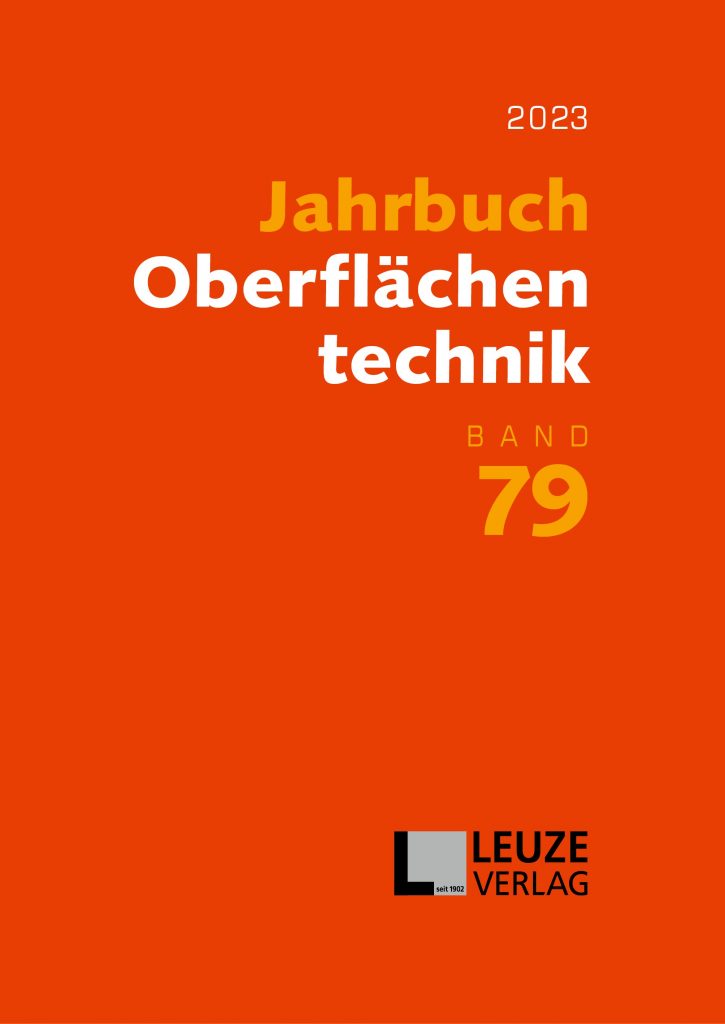
Contribution to “Jahrbuch Oberflächentechnik”

STENUM | News

Contribution to “Jahrbuch Oberflächentechnik”

Carbon footprints for metal processing companies

A carbon footprint, also referred to as a greenhouse gas footprint, is a quantitative measure of the amount of greenhouse gases emitted directly or indirectly by a specific activity, product, or company over a defined period. A climate balance aims to record and evaluate the overall contribution to greenhouse gas emissions to understand the effects on climate change and identify potential reduction strategies. This article covers defining the balance boundary, identifying emission sources, collecting data on energy consumption, transportation, and materials that lead to greenhouse gas emissions. It also includes the use of standardized emission factors to calculate the amount of greenhouse gas emissions linked to the collected data, resulting in total emissions measured in CO2 equivalents. The conclusion involves developing targeted, company-specific reduction strategies based on the gathered information.

About STENUM

Mit STENUM Unternehmensberatung und Forschungsgesellschaft für Umweltfragen GmbH die Ressourceneffizienz im Unternehmen steigern, kontinuierlich verbessern und zur nachhaltigen Entwicklung beitragen.

STENUM GmbH © 2018

GTC

ECOPROFIT award 2022

STENUM | News

ECOPROFIT award 2022

Today, companies are increasingly challenged to act sustainably while remaining highly competitive.

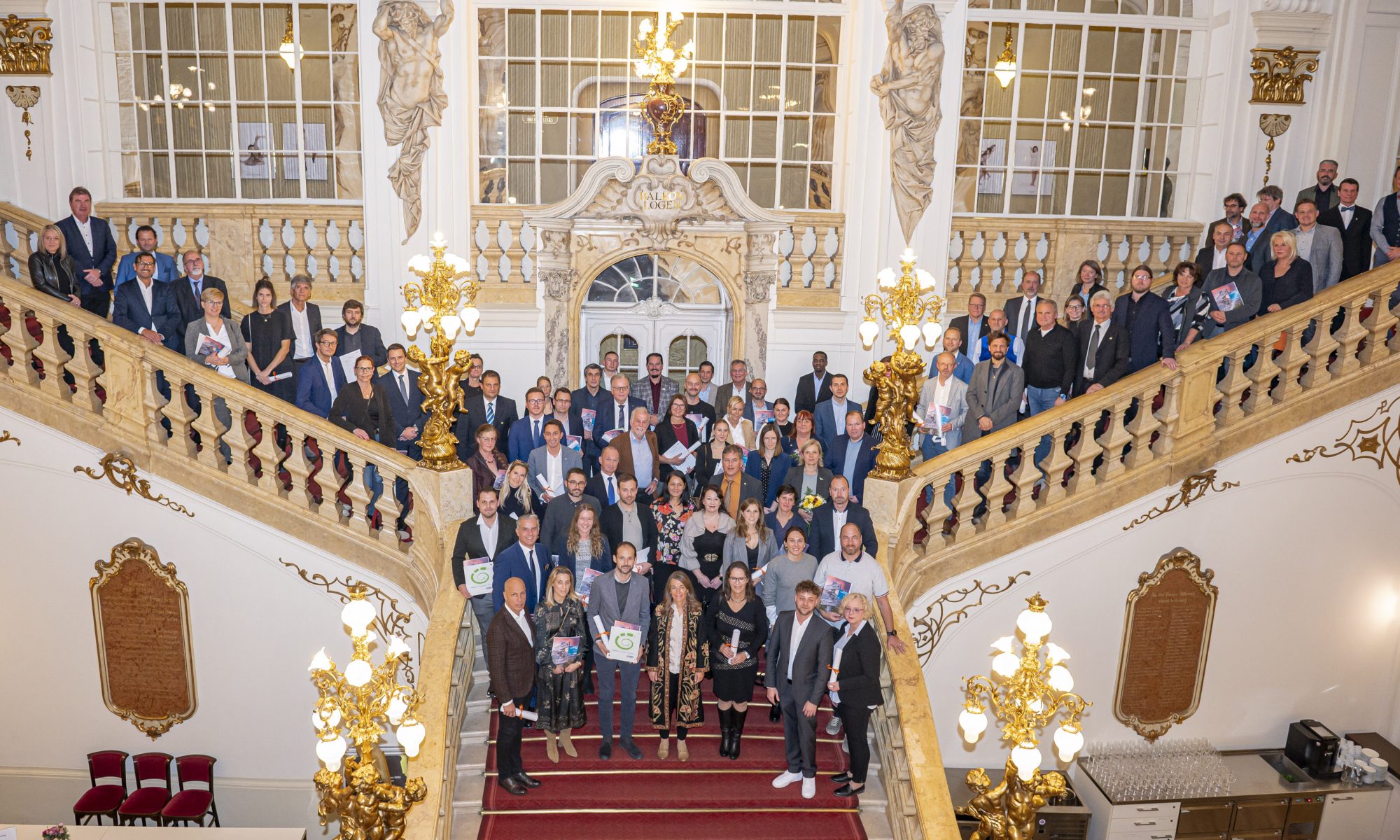
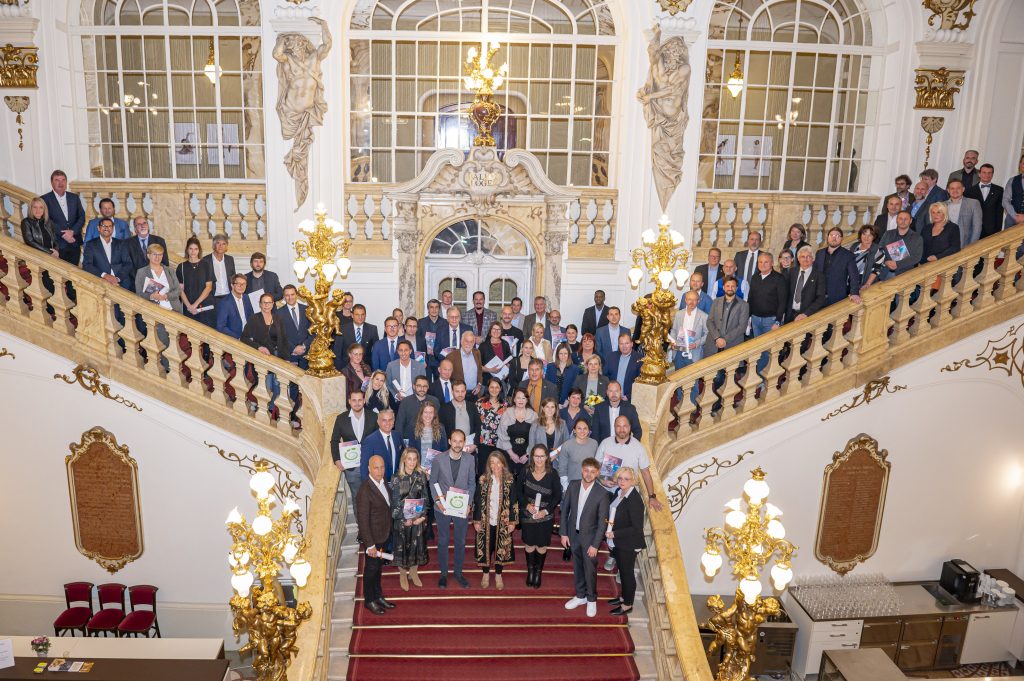
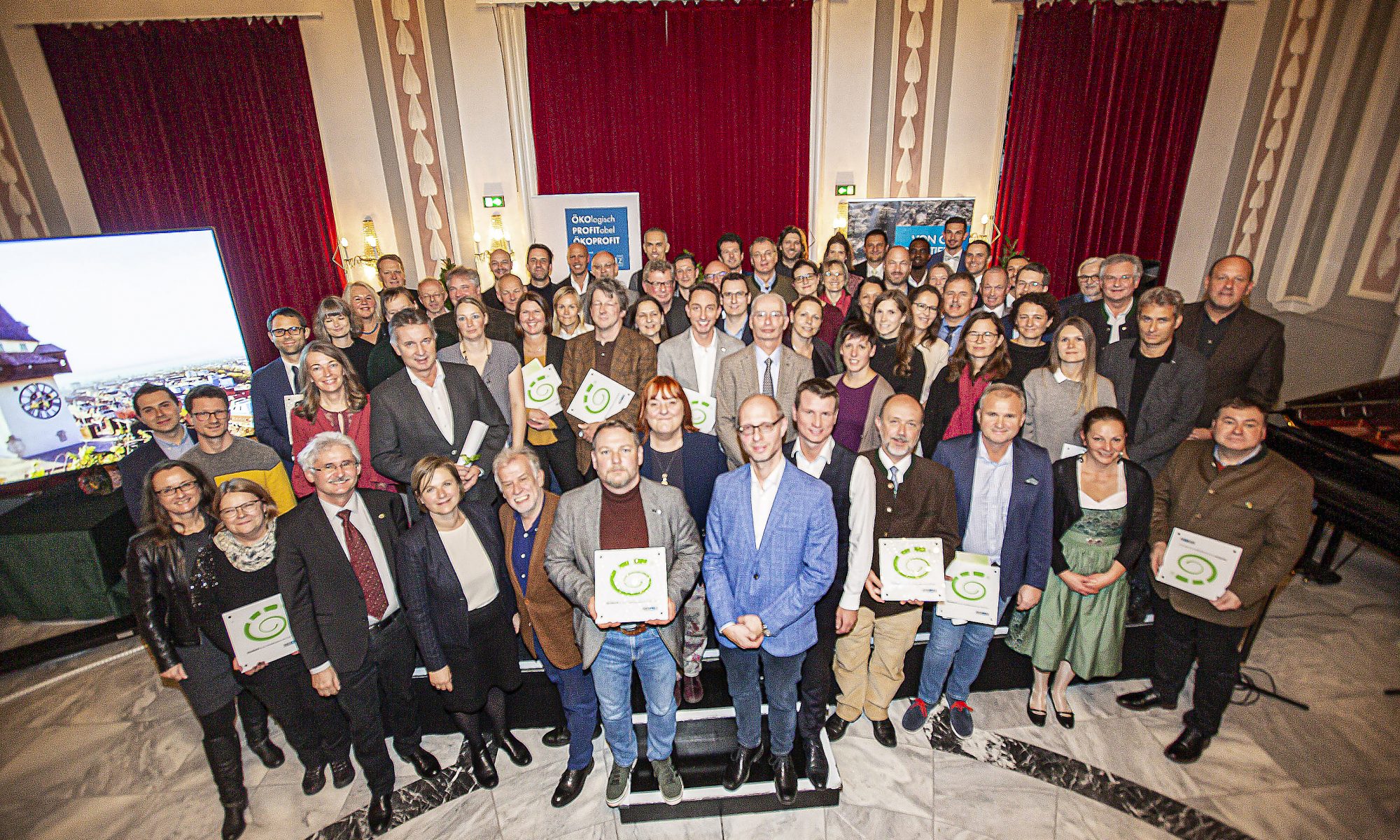
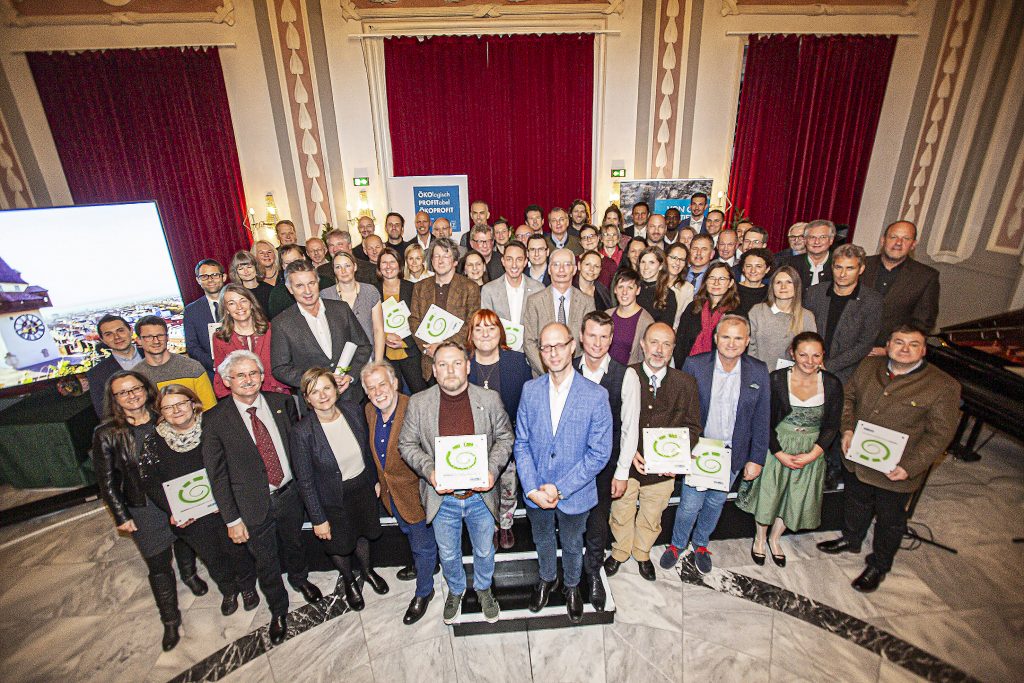
The ECOPROFIT award acknowledges the company’s dedication to operational environmental protection. This award also aims to encourage ongoing efforts to enhance environmental performance.

We extend our gratitude for your excellent cooperation, dedication, and continuous efforts to reduce CO2 emissions.

Congratulations to all the companies on their 2022 ÖKOPROFIT award.

About STENUM

Mit STENUM Unternehmensberatung und Forschungsgesellschaft für Umweltfragen GmbH die Ressourceneffizienz im Unternehmen steigern, kontinuierlich verbessern und zur nachhaltigen Entwicklung beitragen.

STENUM GmbH © 2018

GTC

Plastic life cycle in practice

STENUM | News

Plastic life cycle in practice

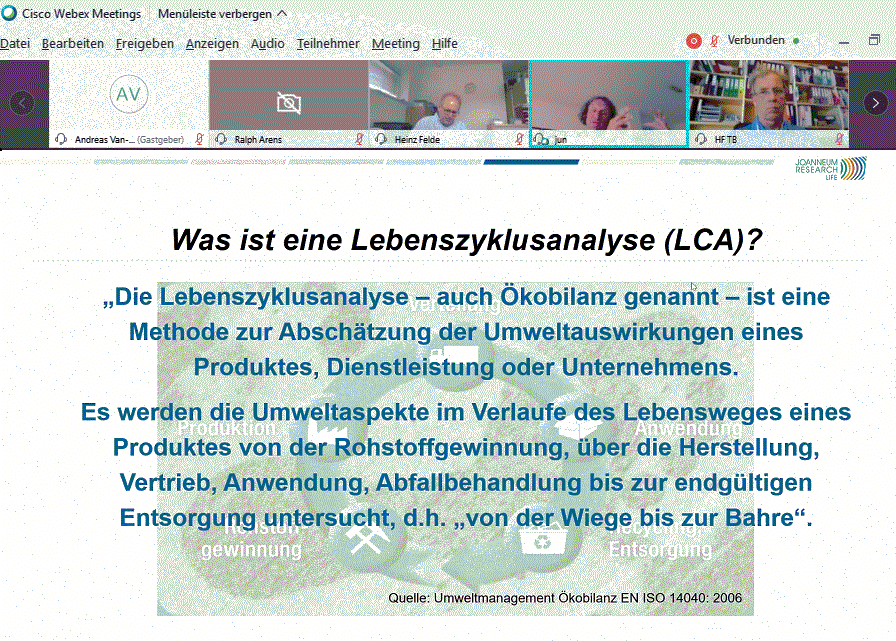
The webinar is part of the Material Efficiency Laboratory project, commissioned by the Federal Ministry for Climate Protection, Environment, Energy, Mobility, Innovation and Technology, and is organized by STENUM GmbH and Resource Forum Austria with ITG Salzburg, the Salzburg Industrial Association,  the Salzburg Chamber of Commerce as well as the plastic cluster and cleantech cluster.

Using the example of waste plastic recycling, Prof. Jungmeier of Joanneum Research showed the comparison of waste and waste recycling as well as the evaluation in an LCA. Either electricity and heat or secondary material is obtained through recycling. The method of system analysis helps with comparability. The missing product must be added for material and energy recovery. The most important impact factors here are in energy recovery, among other things. the degrees of utilization of waste incineration, the amount of usable heat in waste incineration and the energy replaced and in material recycling the energy requirement, the product yield, the use of residual materials in recycling and the quality of recycling products.
In the basic case, the difference between material and energy recovery is minor or not significant, according to Jungmeier. This is the case with many existing substances and the evaluation of the favoritism then depends on specific framework conditions.

Dr. Neubauer of the Austrian environmental agency provided an overview of the nationwide treatment plants: 12 plants exist with the main purpose of sorting / processing plastics, another 25 plants operate material plastic recycling (i.e. produce regranulates, semi-finished products or plastic articles), 20 plants process or recycle polystyrene.
Then Neubauer gave an insight into the first findings of a current study on the current status quo of sorting and recycling technologies. The degree of sorting in the four plants examined is between 31 and 38% of separated target fractions of the total input.

The subsequent discussion thematized, among other things, the export of plastic waste, the problem of cost competition between secondary raw materials and currently cheap primary material, and the consideration of bio-based plastics in recycling options that pose major problems or disruptions to the process and are therefore deliberately removed.

More about the material efficiency laboratory at: https://www.ressourceforum.at/materialeffizienzlabor/
Are you interested in material efficiency and practical solutions? Then sign up for our newsletter at https://www.ressourceforum.at!

About STENUM

STENUM Environmental Consultancy and Research supports companies in increasing the resource efficiency and the continuous improvement so that they contribute to sustainable development.

STENUM GmbH © 2018

GTC

Important information to our customers

STENUM | News

Important information to our customers

Dear Ladies and Gentlemen!

We are still available for you. Please contact us at the usual email addresses, or on the mobile phones, as well as on +43 (0) 316 367156 – 0 .

For the time being, we are not doing any personal consultations.

Existing  contracts are processed reliably and on schedule.

We wish you and your employees health and patience for the coming days!

Best regards,
Your STENUM team

About STENUM

STENUM Environmental Consultancy and Research supports companies in increasing the resource efficiency and the continuous improvement so that they contribute to sustainable development.

STENUM GmbH © 2018

GTC

Workshop: Idea management

STENUM | News

Workshop: Idea management

Economic development requires the use of materials. The global increase in resource consumption with its consequences such as climate change, scarcity and volatility makes a change in resources, i.e. the absolute decoupling of economic development and material consumption indispensable. Resource efficiency, circular economy and bioeconomy are decisive paradigms for solutions, and manufacturing companies are key players.

The best ideas for optimization often come from the company itself! Targeted use of the knowledge and experience of employees in your company in order to continuously work on improving resource efficiency is often a challenge. The workshop presented methods and examples of success so that other companies can better use this potential in the future.

Idea management or company suggestion schemes can make a significant contribution to increasing operational material and energy efficiency and support your already implemented management systems.

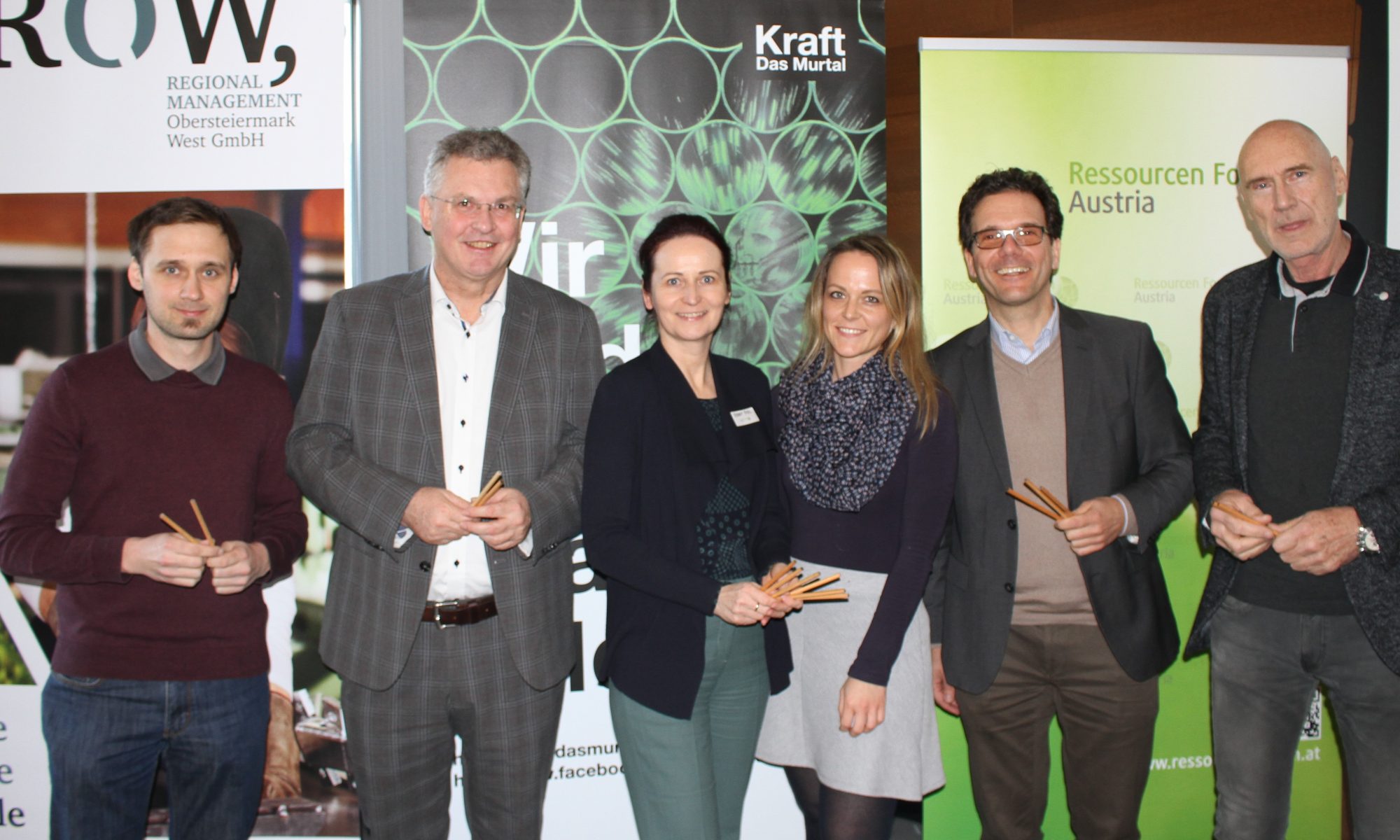
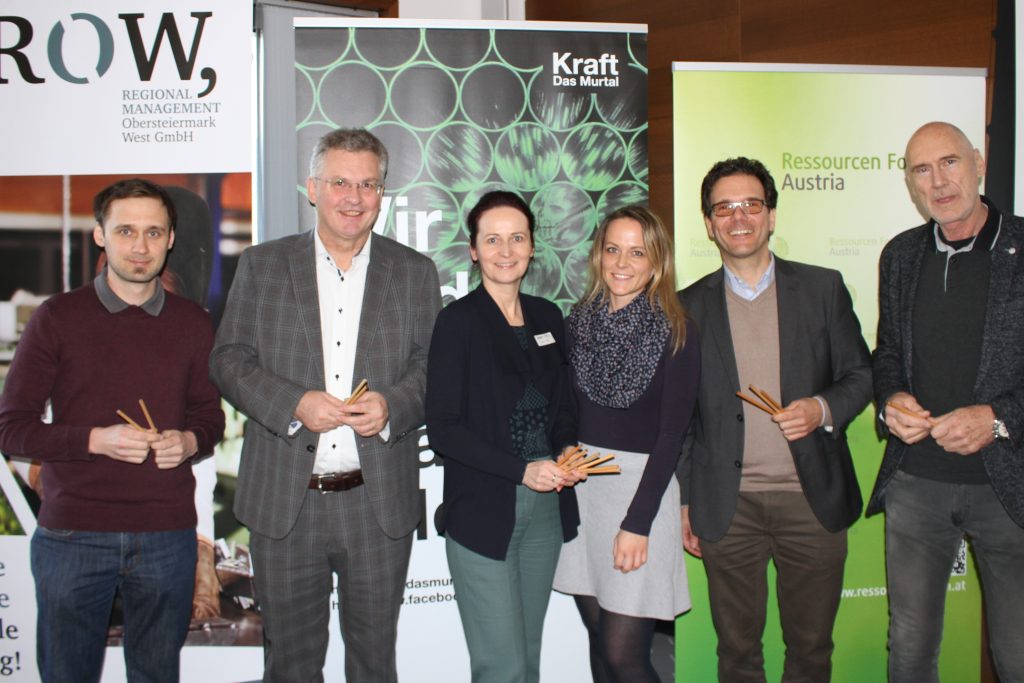
The workshop on February 12th was part of the Material Efficiency Laboratory project, commissioned by the Federal Ministry for Climate Protection, Environment, Energy, Mobility, Innovation and Technology and was organized by STENUM GmbH and Resource Forum Austria in cooperation with Regional Management Obersteiermark West, Kraft des Murtal and the Chamber of Commerce Styria.

About STENUM

STENUM Environmental Consultancy and Research supports companies in increasing the resource efficiency and the continuous improvement so that they contribute to sustainable development.

STENUM GmbH © 2018

GTC

Our new cargo bike

STENUM | News

Our new cargo bike

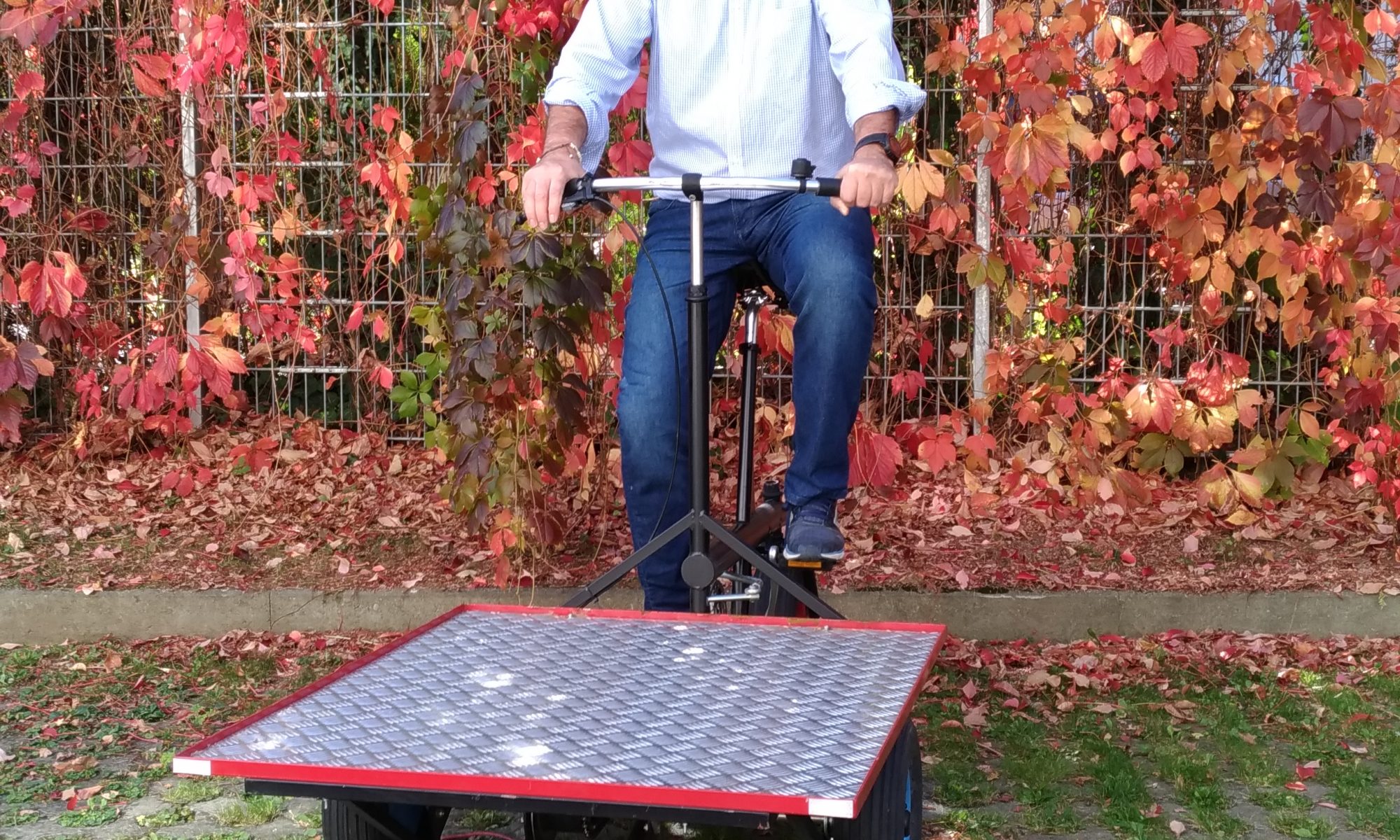
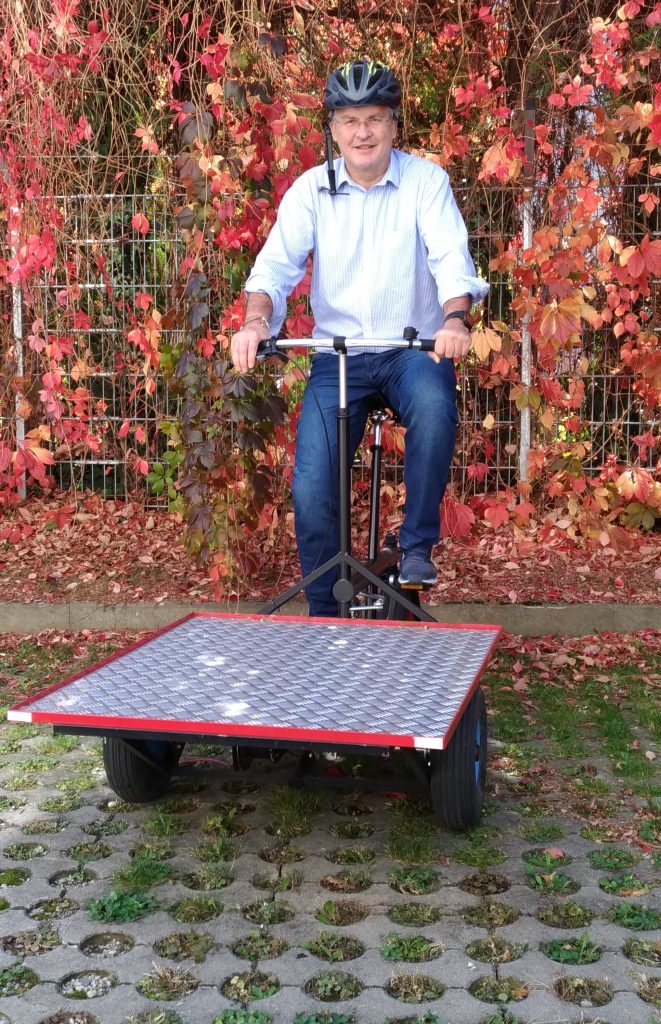
STENUM has a new Danish cargo bike. We are currently testing. A report will follow soon!

About STENUM

STENUM Environmental Consultancy and Research supports companies in increasing the resource efficiency and the continuous improvement so that they contribute to sustainable development.

STENUM GmbH © 2018

GTC